

Syona Roots Highlights Ergonomic Workstations as Desk Hours Rise Across India’s IT Workforce
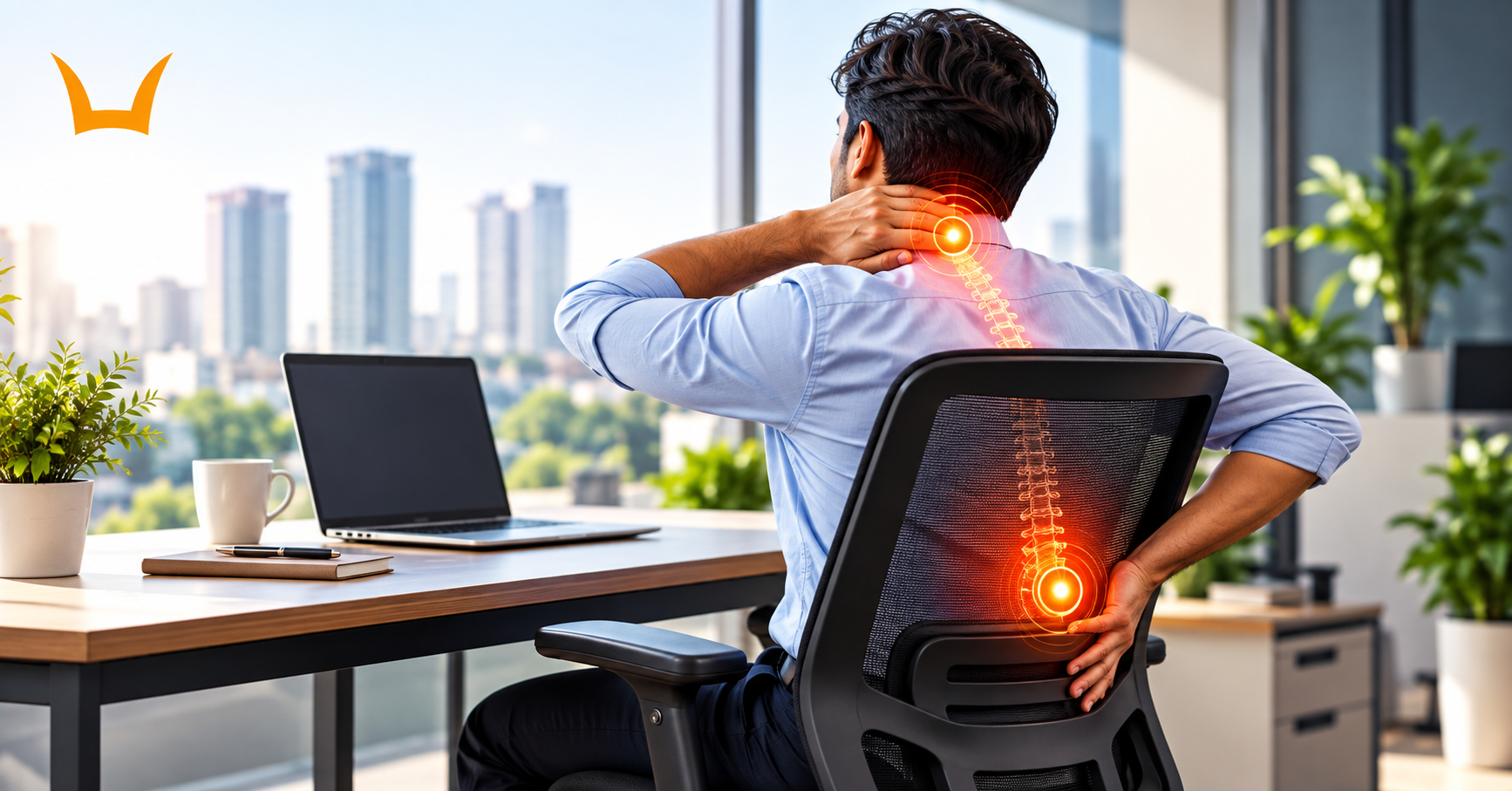


Coimbatore, October 2026: As hybrid working becomes embedded across India’s technology sector, new research is drawing attention to the physical strain associated with long hours of desk-based work. The shift is also bringing greater focus to workplace setup, including ergonomic office chairs, an area where office chair manufacturer Syona Roots operates as workplaces adapt to changing work patterns.
A study published in the Journal of Clinical Orthopaedics and Trauma in September 2026 found that 54.2% of the IT professionals studied reported current musculoskeletal pain. Among those experiencing pain, 68.2% reported lower-back pain and 41.4% reported neck pain.
The research also found that 52.3% of affected professionals had been experiencing pain for more than a year, while 40.2% reported that their symptoms had worsened since the pandemic.
The findings come as India's technology industry continues to operate at enormous scale. According to NASSCOM's Strategic Review 2024, the sector employed approximately 5.43 million people in FY2024, generating more than US$253.9 billion in annual revenue.
While hybrid work has given employees greater flexibility, it has also changed the physical environment in which millions of hours of computer-based work take place. Employees who once worked primarily from dedicated office workstations may now divide their time between corporate offices and home setups that vary considerably in seating, desk height and screen positioning.
The latest research suggests that the length of the working day may be particularly important.
Among the factors examined, daily working hours emerged as the only statistically significant predictor of musculoskeletal pain. Prevalence was highest among professionals working 12 to 14 hours a day, at 63.3%.
The findings add to a wider discussion about whether workplace health policies have kept pace with hybrid working practices.
For employers, hybrid work has largely been approached through productivity, collaboration, technology and attendance policies. Ergonomic conditions outside the corporate office have received comparatively less attention, despite employees potentially spending several working days each week in those environments.
Indian office furniture manufacturer Syona Roots believes organisations now need to look at workplace ergonomics as part of the wider hybrid-work conversation rather than treating furniture as a standalone procurement decision.
The company points to a combination of appropriate seating, workstation setup, screen positioning, movement during the working day and reasonable working hours as areas employers can consider when developing workplace policies for desk-based teams.
The issue is particularly relevant because ergonomic equipment alone cannot address the effects associated with exceptionally long working days. Equally, encouraging employees to take breaks does not address workstations that may be poorly suited to prolonged computer use.
This creates a broader challenge for employers: providing a consistent standard of workplace support when employees may be working from several different environments during the same week.
The study does not establish that hybrid work itself causes musculoskeletal disorders. As cross-sectional research, it identifies prevalence and associations among the professionals studied rather than proving cause and effect. However, the high prevalence of reported pain and the association with longer working hours provide another reason for businesses to examine the physical side of modern desk-based work.
As India's technology workforce continues to grow and hybrid working becomes a permanent feature of professional life, the question for employers is increasingly shifting from simply where people work to how well those working environments support them.
For companies planning the next generation of workplaces, employee wellbeing may therefore depend not only on flexibility and digital connectivity, but also on the hours people spend at their desks and the physical environments in which those hours are spent.
Research referenced: Musculoskeletal Impact of Hybrid Work in Indian IT Professionals: A Cross-Sectional Study, Journal of Clinical Orthopaedics and Trauma, September 2026.
Industry data: NASSCOM, Strategic Review 2024: Rewiring Growth in the Changing Tech Landscape.
S.Satish Kumar - Head of Marketing
Syona Roots
+91 87540 41068
support@syonaroots.com
Visit us on social media:
LinkedIn
Instagram
Facebook
YouTube
X
Legal Disclaimer:
EIN Presswire provides this news content "as is" without warranty of any kind. We do not accept any responsibility or liability for the accuracy, content, images, videos, licenses, completeness, legality, or reliability of the information contained in this article. If you have any complaints or copyright issues related to this article, kindly contact the author above.
