

Bagh Prints of Madhya Pradesh: A Living Craft Shaped by Colour, Water and Tradition
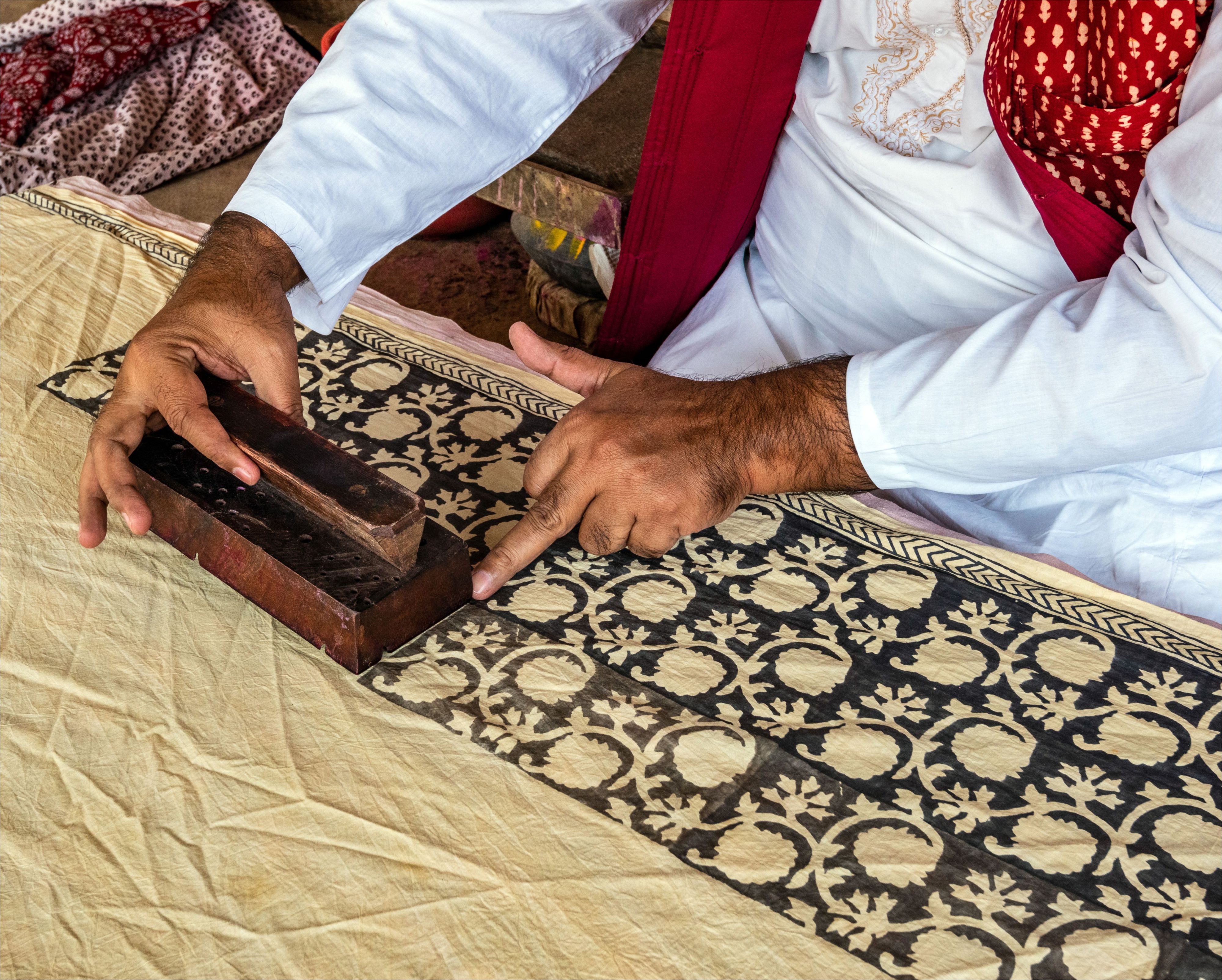
Bagh Print
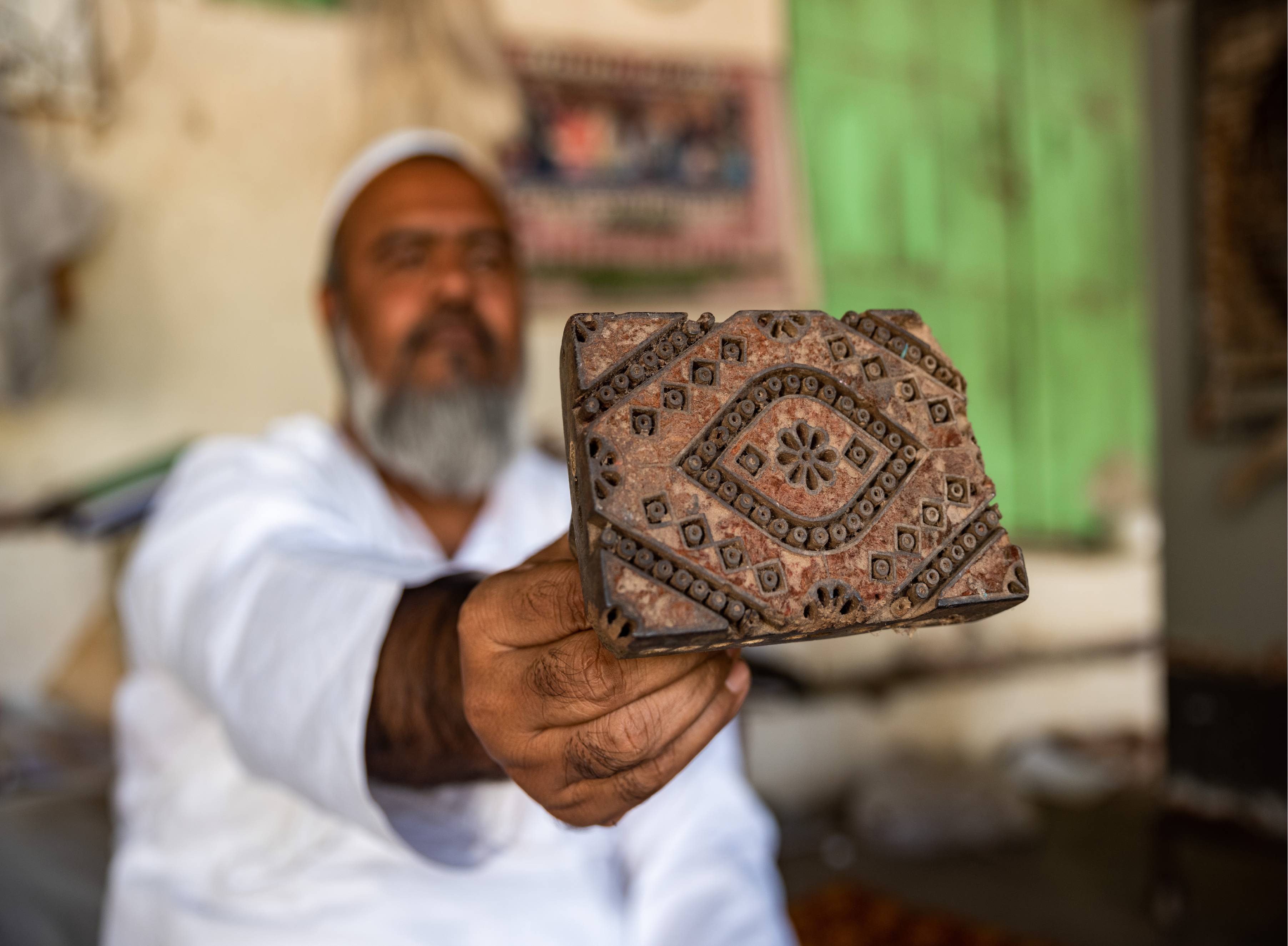
Bilali (or Thappa) is a hand-carved teak wood block used for block printing in Bagh
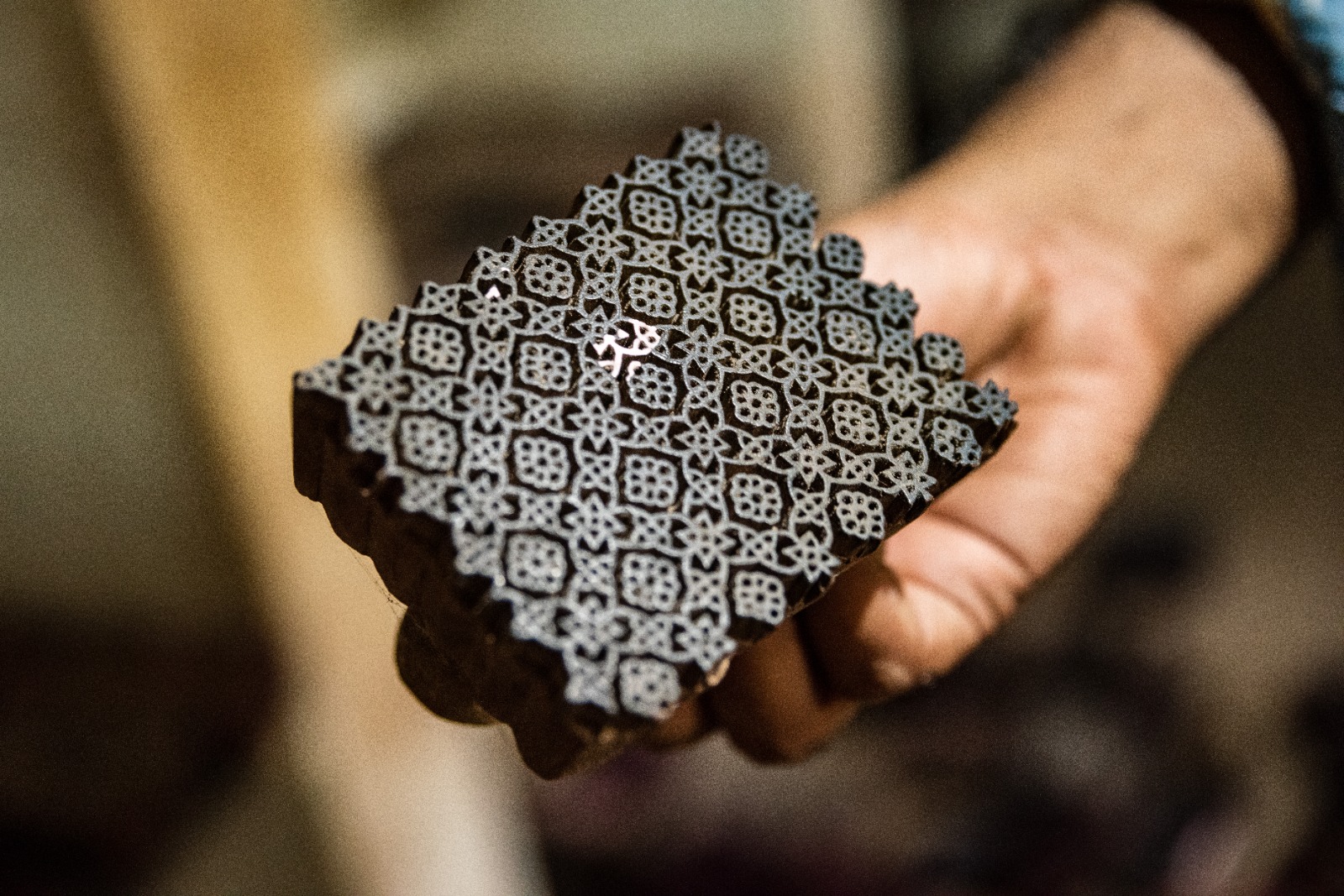
Bilali (or Thappa) - intricately sculpted with a geometric jaal pattern to bring traditional Bagh print textiles to life.
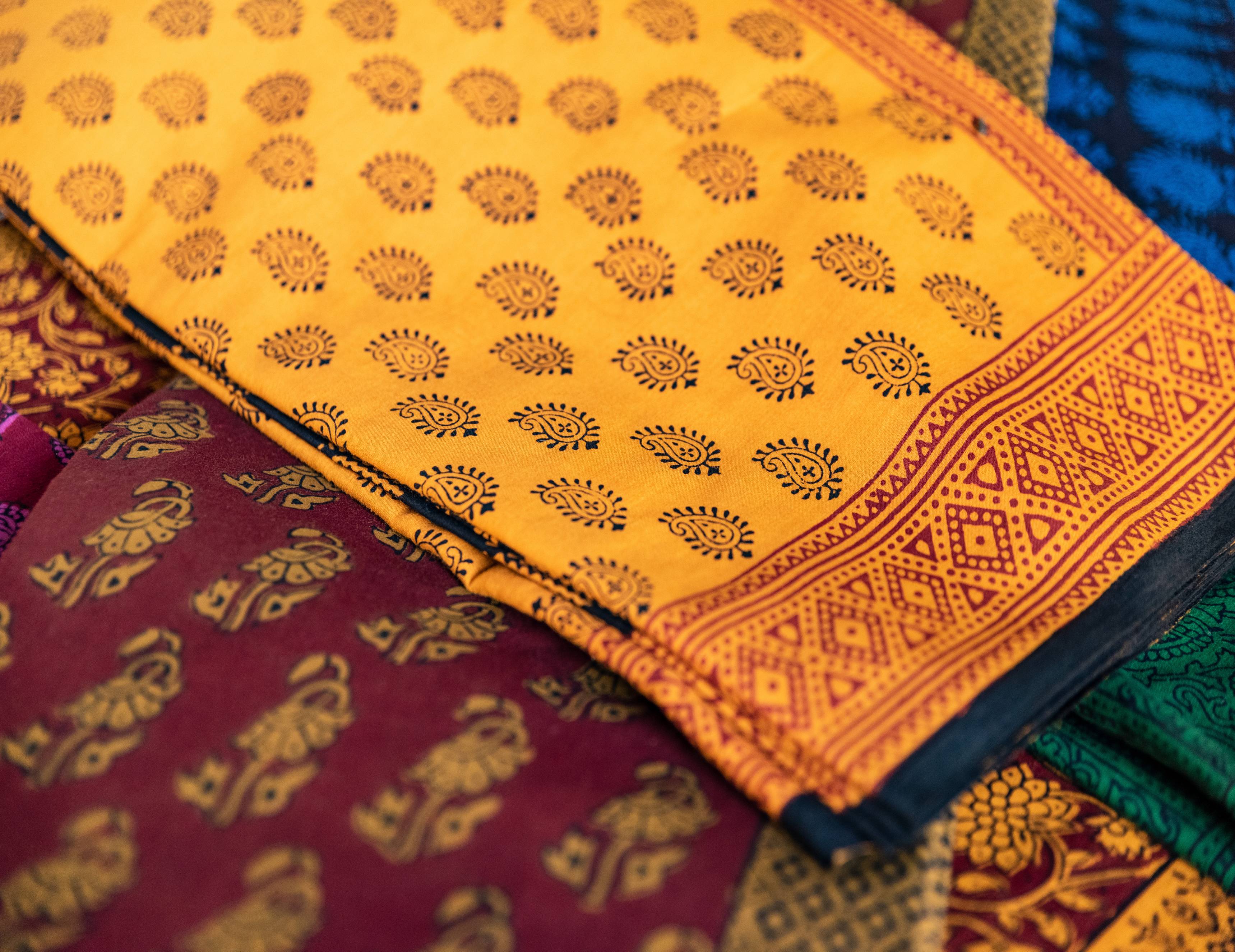
Bagh Printed Sarees
A GI-tagged hand block printing tradition in Dhar reflects Madhya Pradesh’s rich cultural heritage and enduring craft knowledge
BHOPAL, MADHYA PRADESH, INDIA, September 10, 2026 /EINPresswire.com/ -- In Bagh village of Dhar district in western Madhya Pradesh, a centuries-old hand block printing tradition continues to be practiced using carved wooden blocks, naturally sourced dyes and a process closely connected to the waters of the Bagh River. Recognized for its intricate geometric and floral motifs and characteristic red, black and indigo tones against white or off-white fabric, Bagh printing represents one of Madhya Pradesh’s distinctive living craft traditions.With roots extending back more than 1,500 years, Bagh printing is associated with the long history of natural dyeing and textile traditions in Central India. The form of the craft practiced in Bagh today is traced to the early 17th century, when artisan families carrying traditional block-printing knowledge arrived in the region. The craft subsequently developed in response to the local landscape and resources, acquiring the characteristics that distinguish Bagh prints today.
The craft received its Geographical Indication (GI) tag in 2008, with its logo separately registered in 2015. Its traditional natural-dye practices have also received international recognition, including a UNESCO award in 2016 for revival efforts.
A Craft Shaped by Water and Landscape
The relationship between Bagh printing and its geographical setting is central to the craft.
Artisan families initially settled in Manawar before moving to Bagh, where the availability and quality of water supported the printing process. The mineral-rich waters of the Baghini River, also known as the Bagh River, became particularly important in washing the dyed fabrics, helping develop the depth of color and softness associated with Bagh textiles.
Today, the river remains an integral part of the traditional production process. After printing and dyeing, the fabric is repeatedly washed in the flowing river water before being dried in the sun. The mineral composition of the water interacts with the natural dyes, contributing to the characteristic appearance and color quality of the finished textile. This close relationship between the craft and its geographical setting is an important part of Bagh printing’s identity.
The production process begins with preparing the fabric to receive the dyes. Artisans then use hand-carved wooden blocks bearing traditional geometric and floral motifs to build the patterns. Natural preparations are used to create the distinctive colors, with red and black forming the traditional palette, alongside indigo in contemporary Bagh textiles.
Between the stages of printing and dyeing, the fabric undergoes repeated washing before the final wash and sun-drying. The process is manual and time-intensive, with each stage requiring careful preparation, precision and controlled conditions. The finished textile is therefore the result of an interaction between artisan skill, natural materials and the local environment.
Preserving a Traditional Printing Practice
Like several traditional Indian textile practices, Bagh printing experienced a period of decline from the 1960s as synthetic dyes became more widely available and economical. This resulted in a significant contraction of the natural-dye form of the craft.
Revival efforts undertaken from the 1990s helped restore the use of natural dyes and strengthen the transmission of traditional printing skills. These efforts also expanded participation, with local tribal families being trained in the block-printing process.
In 2016, artisan Mohammed Bilal Khatri received a UNESCO award in recognition of his work in reviving the traditional natural-dye process. These efforts have helped sustain the knowledge and techniques associated with Bagh printing and support their transmission to newer generations.
A Living Expression of Madhya Pradesh’s Cultural Heritage
Bagh prints form part of the wider cultural landscape of Madhya Pradesh, where historic monuments, traditional arts, crafts and living cultural practices coexist across the State.
A kaleidoscope of rich cultural experiences – Madhya Pradesh is reflected in traditions such as Bagh printing, where the making of a textile remains closely connected to local materials, artisan knowledge and the surrounding landscape.
For history enthusiasts, Bagh offers another perspective on the State’s cultural heritage. Madhya Pradesh is a deep treasure trove for history enthusiasts, with its craft traditions providing a link between historic knowledge and contemporary community practices.
Bagh can also form part of a wider cultural itinerary through western Madhya Pradesh. Its proximity to Mandu, known for its historic architecture, and Maheshwar, recognized for its handloom tradition, allows visitors to explore different expressions of the region’s cultural and textile heritage within the same journey.
Kukshi, a prominent town in the southwestern part of Dhar district, provides another important point within this regional landscape. Located near the borders of Maharashtra and Gujarat, Kukshi is positioned close to Bagh, Mandu and Maheshwar, linking several of western Madhya Pradesh’s significant cultural and economic centers.
Experiencing Bagh Prints at Source
The Bagh Kala Gram, established to support and showcase the artisan community, provides an opportunity for visitors, buyers and researchers to observe the printing process and engage directly with the craft. Finished textiles are also available directly from producers.
Bagh village is located approximately 150 kilometers from Indore and 65 kilometers from Dhar town, making it accessible as part of a wider exploration of western Madhya Pradesh. Its location also makes it possible to combine a visit to the craft village with the heritage landscape of Mandu and the textile traditions of Maheshwar.
Beyond Bagh, Madhya Pradesh’s craft heritage includes the GI-tagged Chanderi handloom, Maheshwari weave, Gond visual art and Bell Metal casting of Tikamgarh, among other traditions. These crafts continue to function not only as expressions of cultural heritage but also as living economic practices that support artisan communities and sustain traditional knowledge.
Bagh printing therefore offers more than a finished textile. Its distinctive character lies in the relationship between handcrafted technique, natural dyes, river water, local materials and generations of artisan knowledge. For visitors exploring Madhya Pradesh, Bagh provides an opportunity to experience a traditional craft at its source and gain an insight into the living cultural practices that continue to shape the State.
ZM
Madhya Pradesh Tourism Board
email us here
Visit us on social media:
LinkedIn
Instagram
Facebook
YouTube
X
Madhya Pradesh Bagh Printing
Legal Disclaimer:
EIN Presswire provides this news content "as is" without warranty of any kind. We do not accept any responsibility or liability for the accuracy, content, images, videos, licenses, completeness, legality, or reliability of the information contained in this article. If you have any complaints or copyright issues related to this article, kindly contact the author above.
